
How to Plan a Trip: Step-by-Step Guide
Planning your first trip can feel like a big task—but once you break it into steps, it becomes much easier. Whether you’re heading off solo, traveling with friends, or organizing a family vacation, this guide walks you through the full process, from choosing a destination to making sure you’re packed and ready.
You don’t need travel experience or expensive tools to do this. All you need is a little time, basic research, and the right sequence. This step-by-step guide is designed for beginners who want to travel smarter, stay organized, and avoid last-minute stress.
1. Start with Why: Understand the Purpose of Your Trip

Before diving into bookings and budgets, it helps to understand why you want to travel. This might sound simple, but your reason for traveling will shape everything—where you go, how much you spend, what you do, and how long you stay.
Do you want to relax and unwind? Explore new cultures? Visit natural landscapes? Attend a festival or special event? Defining your goal early helps narrow down your choices and gives your trip a clear direction. If you’re planning with others, this step also helps align expectations so everyone’s on the same page.
Write your reason down—it can keep you focused when you start comparing destinations or options. A clear purpose turns random browsing into a focused plan.
2. Choose a Destination That Matches Your Needs
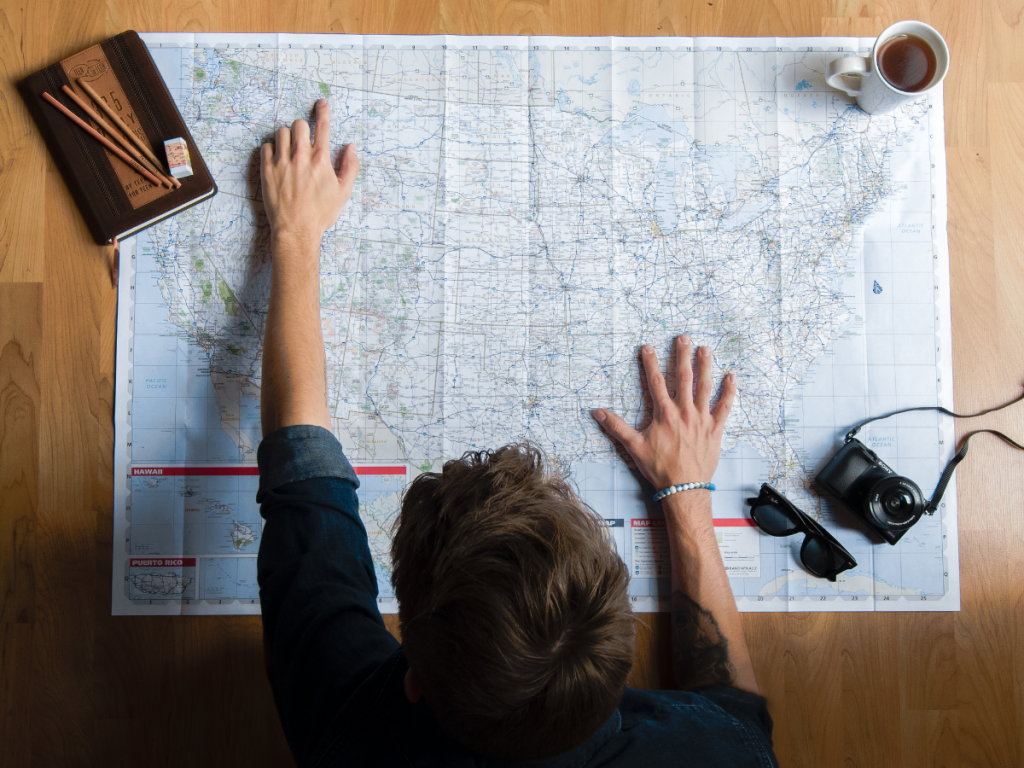
Once you know the kind of trip you want, start listing destinations that fit your purpose, budget, and comfort level. Use travel blogs, YouTube, Google Flights Explore, or Reddit travel forums to gather ideas.
Think about the season you’re traveling in—some places are best visited in the off-season to save money and avoid crowds. Consider visa requirements, language barriers, flight costs, and health safety. If it’s your first time traveling abroad, you might feel more comfortable in places that are tourist-friendly and well-connected.
Narrow it down to 2 or 3 destinations, then compare practical things like costs, accommodation, safety, and accessibility. Once you’ve done a basic comparison, pick the one that feels most exciting and realistic for you.
3. Set a Travel Budget You Can Actually Stick To
Budgeting is one of the most important steps—and the earlier you do it, the better. Your total budget determines how far you can go, how long you can stay, and what kind of experience you can afford.
Start by estimating the cost of:
- Flights or main transport
- Accommodation
- Daily meals
- Local transportation
- Tours or activities
- Travel insurance and emergencies
Use tools like Google Sheets or Notion to organize your budget. Look up average daily expenses for your destination (you can find these on forums or sites like Budget Your Trip). Don’t forget to include buffer money for surprises or mistakes—$100 to $200 extra can go a long way.
Budgeting doesn’t have to feel restrictive. Instead, it gives you the confidence to plan without overspending or getting stuck mid-trip.
4. Check Passports, Visas & Entry Rules
Before you book flights or accommodation, make sure your travel documents are in order. Your passport should have at least six months of validity from your return date—many countries require this even if you’re only staying a short time.
Check if you need a visa for your destination. Some countries offer visa-free entry, e-visas, or visa on arrival. Others may require an application weeks in advance. Use the IATA Travel Centre or your government’s travel site (like travel.state.gov if you’re from the U.S.) to get official information.
Also confirm if any vaccinations or travel insurance are required. Some places still have COVID-related health requirements or need proof of insurance coverage.
Print or download copies of all documents—visa approvals, ID, flight tickets—so you’re not stuck without internet access if needed.
5. Book Your Main Transportation
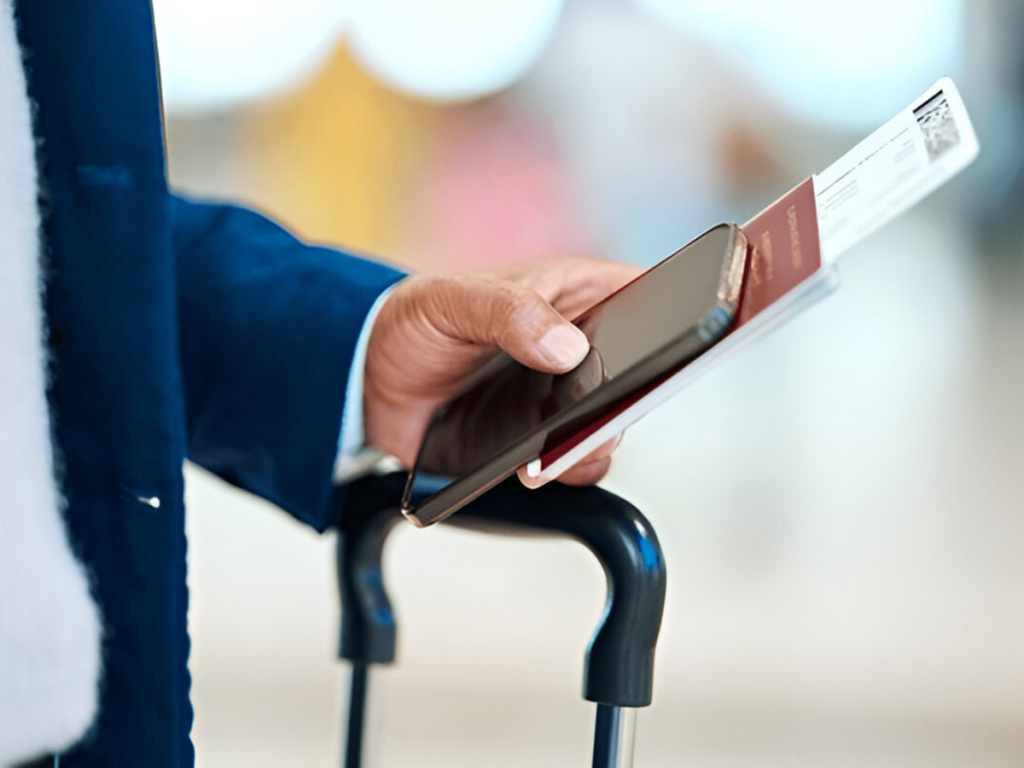
Once your documents and budget are sorted, it’s time to book your transport. Most travelers start with flights, but depending on your location and destination, this could be a train, bus, or car rental.
For flights, compare prices across platforms like Google Flights, Skyscanner, or Hopper. Booking earlier usually saves money. Set alerts to track fares and look at nearby airports for cheaper alternatives.
If you’re planning a multi-city trip or road trip, use Rome2Rio to see how destinations connect and which transport types make sense.
Try to book flexible tickets in case your plans change. Once you confirm transport, double-check the departure and arrival times, layovers, and baggage rules.
6. Book Accommodation That Matches Your Travel Style

Where you stay plays a big role in how your trip feels. Some people prefer hotels with full service, while others like the flexibility of vacation rentals or the social aspect of hostels.
Look for accommodation that suits your comfort level and is well-reviewed for cleanliness, location, and security. Booking.com, Airbnb, and Hostelworld are great places to start your search.
Choose locations close to attractions or public transport—it can save time and money. Filter listings by cancellation policy, breakfast availability, Wi-Fi, and check-in hours. Read recent reviews to spot red flags early.
Always save a copy of your confirmation and know how to reach the property in case your arrival is delayed.
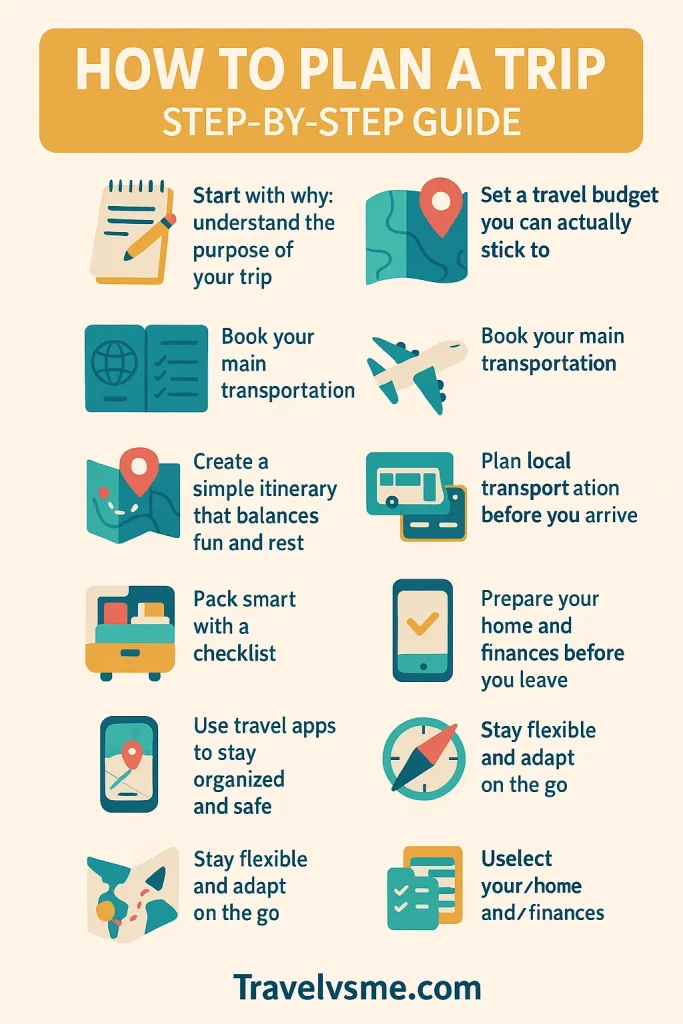
7. Create a Simple Itinerary That Balances Fun and Rest
Itineraries help structure your days, but they don’t need to be packed. Overplanning can turn a fun trip into a stressful one.
Start by listing key attractions or experiences you don’t want to miss. Group them by area using Google Maps, so you minimize unnecessary travel time. Build in time for breaks, meals, and spontaneous discoveries.
Leave at least one day open if your trip is a week or longer—it gives you a buffer if anything needs to shift. Booking tours or major sights in advance helps you avoid sold-out issues, but stay flexible for the rest.
Keep your plan accessible—use Google Docs or Notion to make a shareable, editable version. It’s also smart to save addresses and opening hours offline.
8. Plan Local Transportation Before You Arrive
Figuring out how you’ll get around once you arrive makes your trip smoother from day one. In cities, this often means public transit. In remote areas, you might need a car or taxi apps.
Research local options like subway passes, tourist cards, or transportation apps. Apps like Moovit, Rome2Rio, or city-specific guides can help you understand how to get from A to B.
Some cities have contactless metro cards or passes that save money. In others, local buses may not run often or on time, so always have a backup plan like Uber or Bolt.
For international travel, check if your mobile payment app works abroad or if you’ll need cash for tickets. Save your hotel’s location offline so you can find your way even without internet.
9. Pack Smart with a Checklist

Packing doesn’t have to be stressful, but it does require some planning. The key is to start early and stick to a list. Begin by checking the weather at your destination so you can pack appropriate clothing—layers for cooler climates, breathable outfits for warm ones.
Make sure to include essentials like your passport, chargers, travel adapters, toiletries, and any prescription medications. Don’t forget important extras like copies of your travel documents, sunscreen, or a small power bank. If you’re flying, double-check baggage limits to avoid extra fees.
A good tip is to roll your clothes to save space and prevent wrinkles. Packing cubes can help keep your suitcase organized, especially for longer trips. Leave a little room for souvenirs or things you might buy while away.
10. Prepare Your Home and Finances Before You Leave
There’s more to trip planning than what fits in your suitcase. Preparing your home and finances helps ensure peace of mind while you’re away. If you’ll be gone more than a few days, pause newspaper deliveries, schedule bill payments, and ask someone to check your home if needed.
Notify your bank of international transactions so your card doesn’t get blocked. If you plan to use cash abroad, research the best way to exchange money—ATMs at your destination often give better rates than airport kiosks. Consider travel cards like Wise or Revolut if available in your country.
Also, set up roaming or buy an eSIM if your phone plan doesn’t cover international travel. Before leaving, back up important documents and photos to cloud storage and enable device tracking (like Find My iPhone or Google Find My Device) in case something is lost or stolen.
11. Use Travel Apps to Stay Organized and Safe
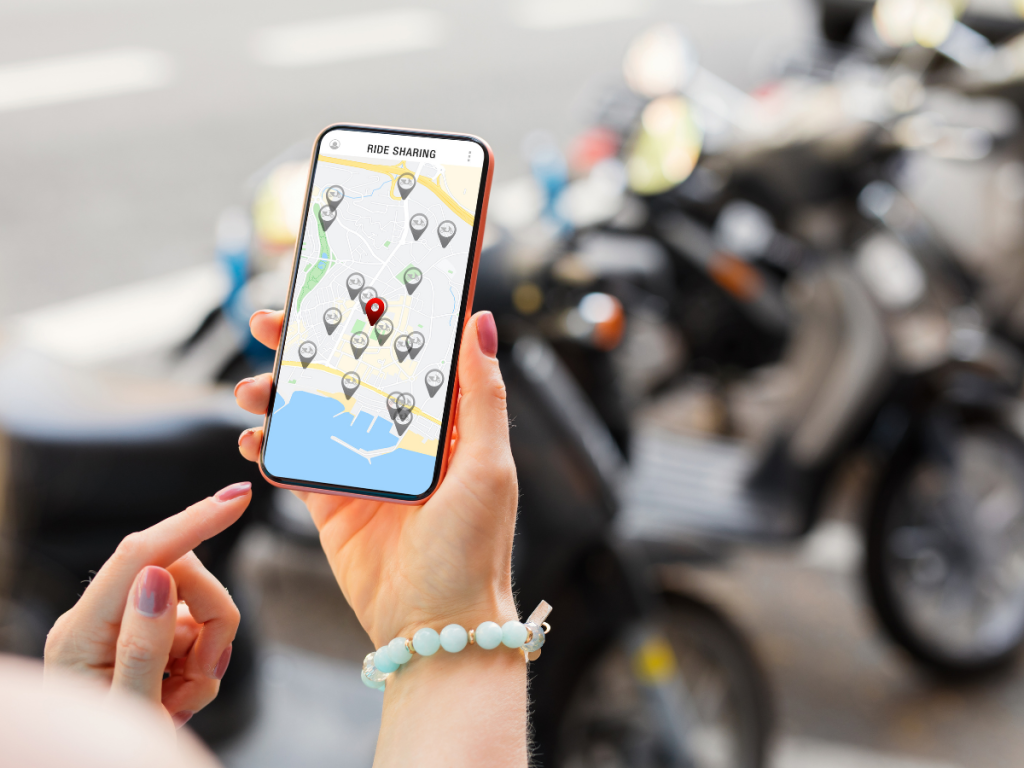
A few helpful apps can make your entire trip easier. Use Google Maps to save offline maps of your destination. This is especially useful in areas with limited service. TripIt or Notion can organize your flights, hotel bookings, and itinerary in one place.
Language barriers? Google Translate lets you download languages and even translate text via your camera. Use Splitwise to track shared costs if you’re traveling with others. And for safety, apps like GeoSure or SmartTraveler (for U.S. citizens) can provide location-specific safety tips and alerts.
Before traveling, make sure all your apps are updated and any important info is saved offline. Keeping everything in one place reduces stress and makes it easier to focus on enjoying your trip.
12. Stay Flexible and Adapt on the Go
Even with the best planning, travel comes with surprises. A delayed flight, unexpected weather, or a closed museum can throw your schedule off. The key is to stay flexible and adapt without letting it ruin your trip.
Use extra time to discover something unplanned—maybe a local café, a street market, or just a scenic walk. Have a few backup activities saved in your itinerary so you’re never left wondering what to do next.
Keep your expectations open, especially if it’s your first trip. Not every moment will go perfectly, and that’s okay. Sometimes the best memories come from unplanned moments or last-minute changes. Travel is as much about how you respond as what you see.
13. Reflect, Share, and Plan Your Next Adventure
When your trip ends, take some time to reflect on what you enjoyed most—and what you’d do differently next time. Save photos, write in a journal, or post highlights to share your experience. This helps preserve the memories and gives closure to your journey.
If you traveled with friends or family, chat about your favorite moments together. If you went solo, consider joining an online community to share tips and inspire others.
You can even start planning your next trip while your excitement is still fresh. Note which travel tools worked best, which airlines or hotels you’d use again, and what destinations are now on your wishlist.
Final Thoughts: Your Trip Starts with a Plan
Planning a trip from scratch might seem like a big project—but when you break it down, it’s just a series of small, doable steps. From choosing where to go and setting your budget, to booking transport, staying safe, and packing with confidence—every step adds to a smoother, more enjoyable travel experience.
Bookmark this guide or print it out to follow as you plan. You don’t need to be an expert traveler—you just need a solid plan and a little excitement.
For more checklists, travel tips, and destination guides, visit Travelvsme.com.